Rotary Air Lock Valve with Chain Spocket Drive About
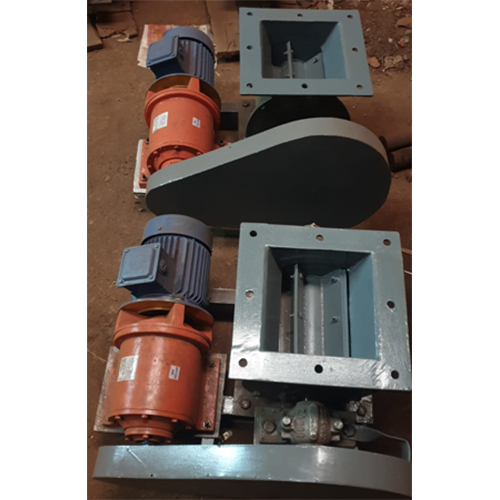
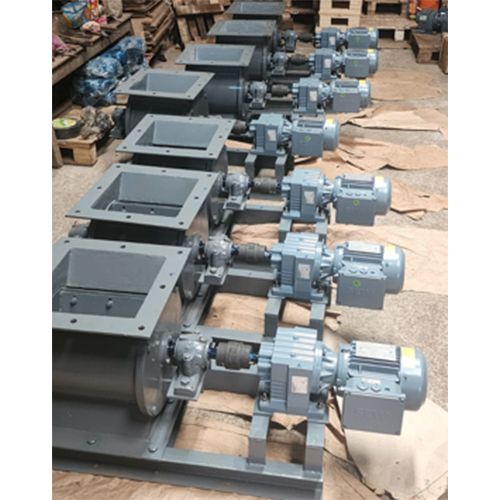
A rotary airlock valve with a chain sprocket drive is a heavy-duty bulk material handling device used to discharge powders and granules while maintaining an airtight pressure seal. The chain and sprocket system connects the rotor shaft to an external motor, providing high-torque operation
Designed for Reliable Material HandlingOur chain sprocket driven Rotary Air Lock Valve excels in precise and consistent metering, sealing, and conveying of powders, granules, pellets, and dust. It supports a wide range of industrial environments thanks to its robust build, custom vane count, and specialty finishes that enhance performance and durability.
Customizable to Match Application NeedsWith flexible options such as rotor type (open/closed), surface finish (epoxy or powder coated), and multiple material choices (Cast Iron, Mild Steel, or Stainless Steel), this valve can be tailored to handle unique process requirements and varying working conditions, including temperatures up to 250C and pressure up to 1 bar.
FAQ's of Rotary Air Lock Valve with Chain Spocket Drive:
Q: How does the chain sprocket drive work in this rotary air lock valve?
A: The chain sprocket drive is powered by an electric motor combined with a gearbox assembly, ensuring synchronized and reliable rotor rotation. This mechanism helps maintain accurate feeding, discharging, and sealing of materials, even under continuous and demanding operation.
Q: What materials and media can this rotary air lock valve handle?
A: This valve is suitable for a wide range of media, including powders, granules, pellets, dust, and other solid materials. Its robust construction and corrosion-resistant finish make it ideal for use in pneumatic conveying systems, silos, and dust collectors.
Q: When should I choose optional materials like stainless steel or mild steel?
A: Optional materials such as stainless steel or mild steel are recommended when handling corrosive, abrasive, or high-temperature materials, or when specific regulatory guidelines or hygiene standards need to be met in industries like food processing or pharmaceuticals.
Q: Where is this rotary air lock valve typically installed in a system?
A: The valve is usually installed at the outlet of hoppers, silos, or dust collectors, acting as an airlock to maintain system pressure during the feeding or discharging of bulk materials in pneumatic or gravity conveying setups.
Q: What is the process for maintaining the rotary air lock valve?
A: Maintenance is straightforward due to accessible inspection doors or covers. Routine checks include inspecting gland packing or adjustable end covers for wear, ensuring bearings are adequately greased, and confirming that the chain drive remains properly aligned and lubricated.
Q: How does gland packing or adjustable end covers benefit sealing?
A: Both gland packing and adjustable end covers provide effective sealing against material leakage, supporting positive pressure applications and maintaining airlock integrity even under variable operating conditions.
Q: What are the operating benefits of using a flange-mounted TEFC induction motor?
A: A flange-mounted TEFC (Totally Enclosed Fan Cooled) induction motor offers long-lasting operation with minimal maintenance, protects against dust and moisture, and ensures stable, energy-efficient performance in industrial environments.
 Send Inquiry



 Send Inquiry

 Send Inquiry